
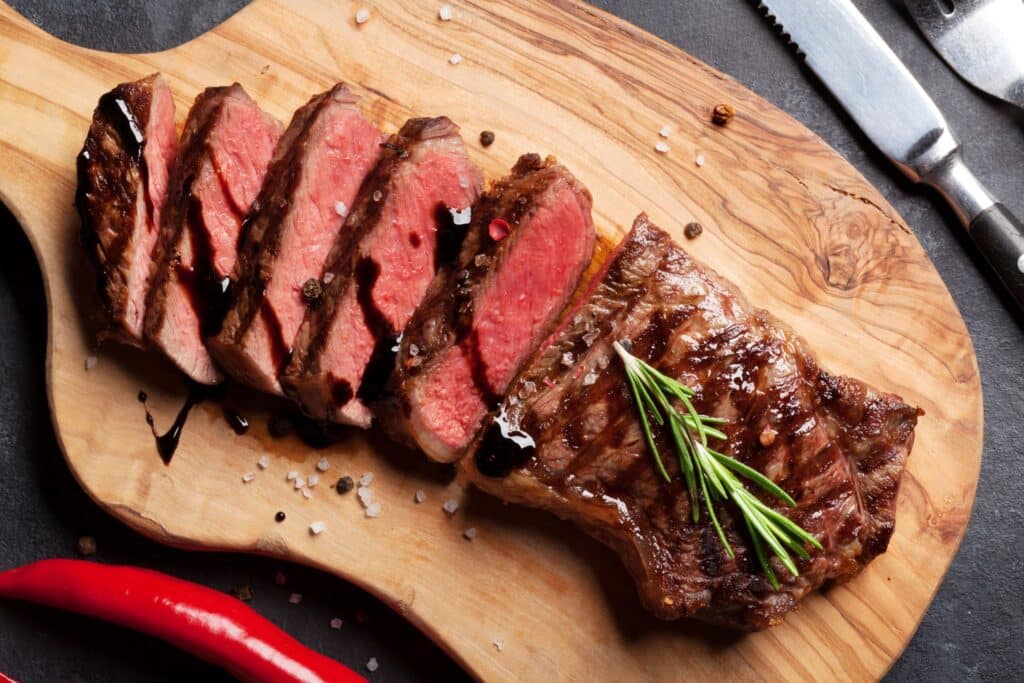
Wagyu beef gets a lot of attention, and for good reason. People see it on a menu and hear about its rich flavor and incredible tenderness, but many aren’t sure what actually makes it different.
At Driven Steakhouse in Northern Colorado, we answer these questions almost every night at the table. So let’s break it down in a simple, straightforward way and show you what makes Wagyu worth seeking out—and why we take it so seriously.
What Exactly Is Wagyu Beef?
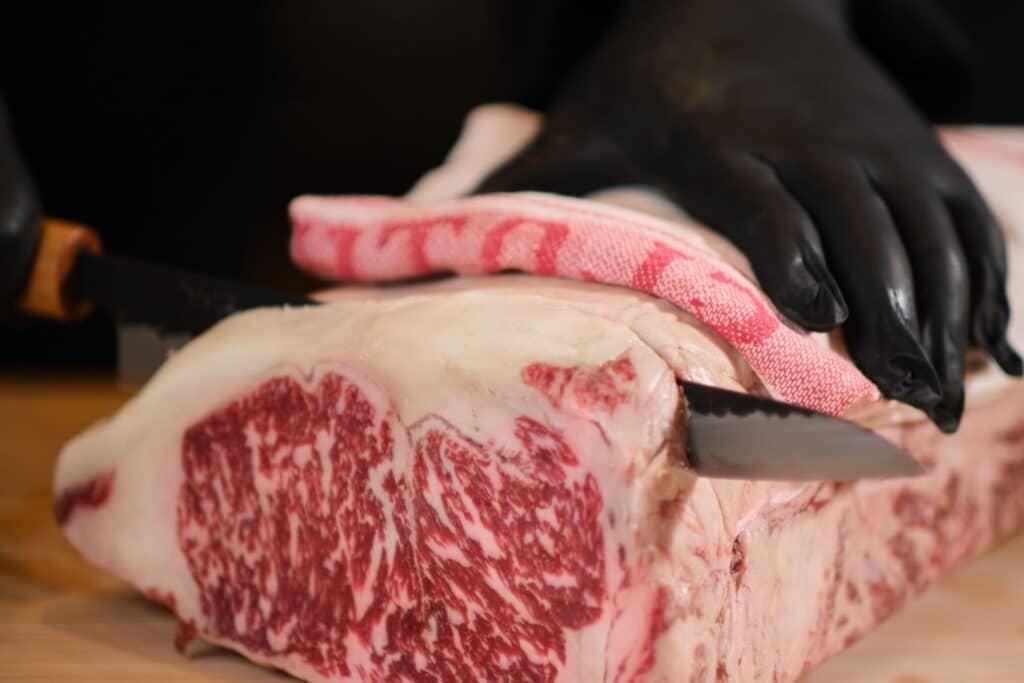
“Wagyu” is a Japanese phrase that literally means “Japanese cow,” but the name goes beyond geography. It refers to a few specific Japanese cattle breeds that develop a level of marbling you don’t see in most beef. The fat runs through the meat in a fine, even pattern, and that’s what gives Wagyu its soft, buttery texture and deep umami flavor.
The fat of Wagyu also carries higher Omega-3 and Omega-6 levels, which adds to its richness without making it heavy. These qualities don’t happen by accident. Breeders choose cattle with strong genetics for marbling, and ranchers give the animals careful, consistent attention from start to finish. The result tastes unlike anything else you’ll find on a steakhouse menu.
Where Wagyu Comes From
Wagyu beef started in Japan, where different regions developed their own varieties, including Kobe, Miyazaki, and Omi. Each area follows strict rules for breeding, feeding, and grading, and only cattle that meet those standards earn an official Wagyu certification.
Over time, ranchers outside Japan grew curious about these genetics and brought Wagyu lines to other countries. In the U.S., breeders crossed Japanese cattle with American breeds, which created what we now call American Wagyu.
Australia followed a path similar to the U.S., but with its own style and scale. When Wagyu genetics left Japan in the 1990s, Australian breeders brought fullblood and purebred cattle into the country and began building their herds with strict record-keeping.
Instead of focusing on crossbreeding, many Australian programs invested heavily in maintaining fullblood Wagyu lines, which means the animals come from 100% Japanese Wagyu ancestry. They also developed crossbred Wagyu—often paired with Angus—but Australia became known for producing large, consistent herds of fullblood cattle.
Because of that, Australia now ranks as one of the largest Wagyu producers outside Japan. Australian Wagyu tends to develop strong marbling, reliable grading consistency, and clean, rich flavor—qualities that make it popular with steakhouses like Driven Steakhouse.
How Wagyu Is Raised: The Process Behind the Flavor
The development of Wagyu’s signature flavor begins with how the cattle are raised:
- Calm, low-stress environment: Ranchers give Wagyu cattle plenty of space and steady routines. The animals stay relaxed, which helps them develop finer, more even marbling.
- Specialized feed program: Producers use carefully balanced diets that support slow, steady growth. This approach encourages the rich, delicate fat that Wagyu is known for.
- Longer feeding cycle: Wagyu cattle grow over a longer period than most beef breeds. This extra time allows the marbling to form naturally and more fully.
- Strong genetics and attentive care: Breeders select cattle with proven marbling traits, and ranchers give them close, consistent attention from start to finish.
- Detailed grading standards: Japanese producers use the A-system, while American ranches often rely on the Beef Marbling Score (BMS). Both systems measure quality and marbling with strict precision.
How Driven Steakhouse Sources Wagyu
At Driven Steakhouse, we work with select Colorado and Australian partners who follow Japanese-inspired practices, which helps us source Wagyu with reliable marbling and clean flavor.
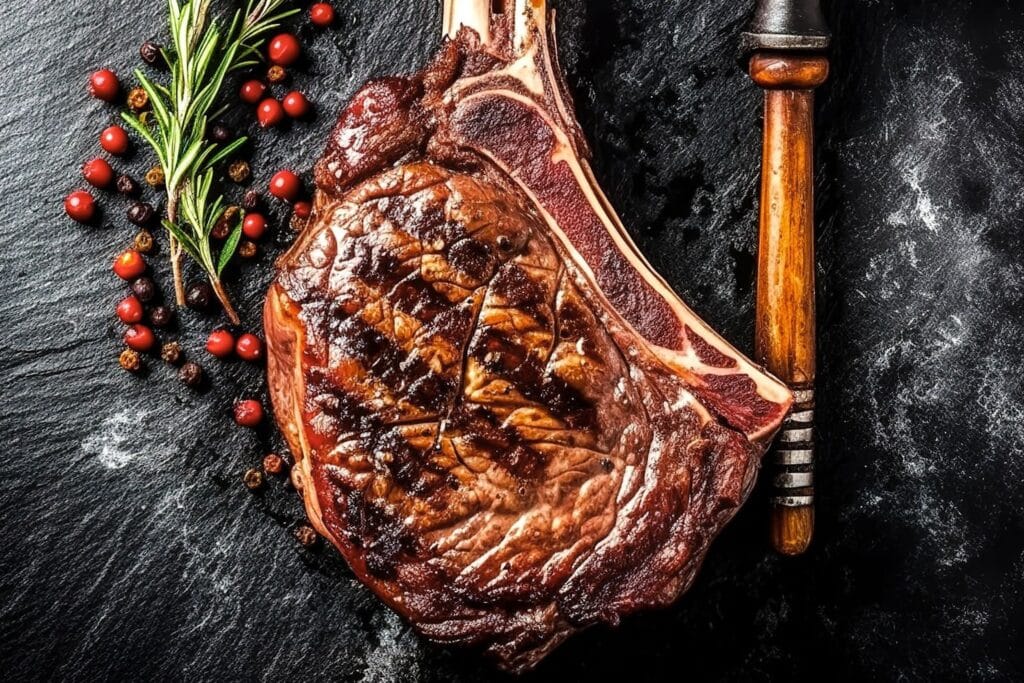
Because we stay selective with our suppliers, we can offer cuts that show how varied Wagyu can be. Guests can order our Tajima Wagyu Beef Tenderloin, Australian Black Wagyu Picanha, or the Senku Wagyu Ribeye Steak graded 8–9 for deep marbling. We also carry Australian Silver Wagyu in both the NY Strip 6–7, which we dry age in-house, and the Tomahawk 6–7 for guests who want something bold and shareable. No matter the cut, our chefs take a measured approach and bring out the natural richness of the beef rather than covering it with heavy flavors. Take a look at our chef inspired menu to see our delectable Wagyu options!
Why Wagyu Is Worth Trying—Especially in Northern Colorado
Every cut of Wagyu beef stands out because it reflects years of careful breeding and hands-on attention, and that level of craftsmanship remains rare. Colorado diners appreciate food with a clear sense of place, and our access to trusted regional producers lets us serve Wagyu at its best.
If you want to experience Wagyu with true Colorado character, Driven Steakhouse offers a level of quality you’ll notice from the first bite. Cruise on over to Driven Steakhouse, and give your tastebuds the ride of a lifetime!