
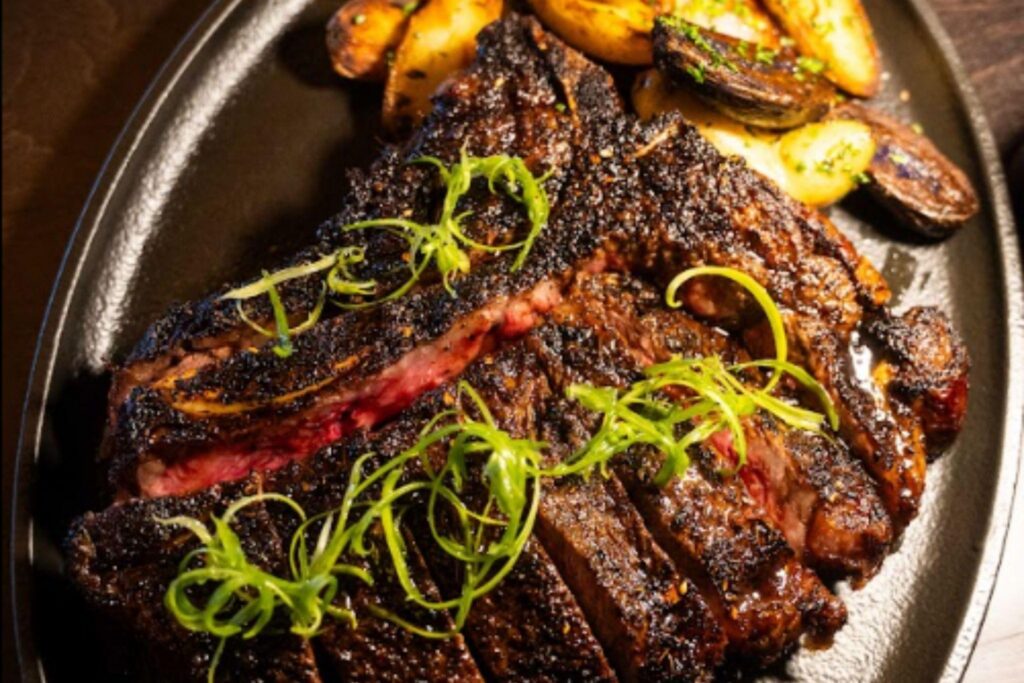
There’s something truly timeless about going out for a great steak. Maybe it’s the sound of a steak hitting a hot grill, the smell of smoke and seared beef, or the simple pleasure of sitting down to a meal that feels like an occasion. Whatever draws you in, steakhouse dining has held a special place in American food culture for generations.
But the modern steakhouse didn’t appear overnight. It grew from 19th-century chophouses, developed a distinct personality during the 20th century, spread into the suburbs after World War II, and now enjoys a creative renaissance. Along the way, one thing has stayed constant: people love gathering around a beautifully prepared steak dinner.
It Started With the American Chophouse
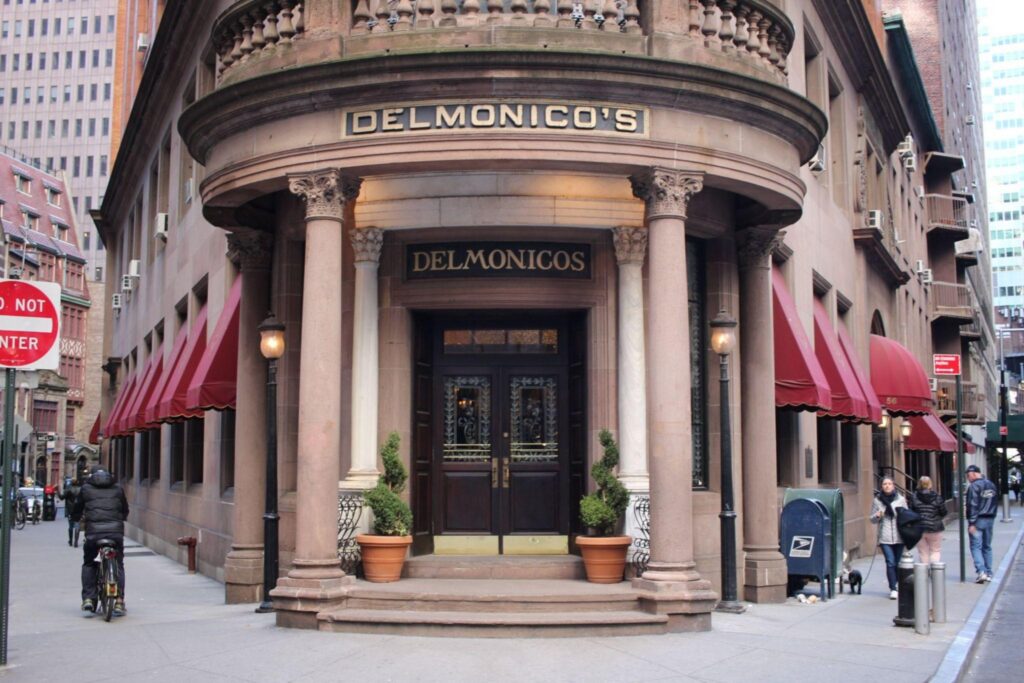
The modern steakhouse story begins in the 1800s, when restaurants in growing American cities started putting more emphasis on beef and hearty cuts of meat. New York City played a major role in that development.
Delmonico’s, which opened in the 19th century, often gets credit as one of the first fine-dining steakhouses in America. The restaurant helped establish an idea that still shapes steakhouse dining today: steak deserved more than a quick meal. It deserved excellent ingredients, attentive service, a proper dining room, and a sense of special occasion.
The Steakhouse Becomes an Institution
By the early and middle decades of the 20th century, the American steakhouse had developed a look and personality all its own.
A common dining aesthetic evolved with dark wood, leather seating, crisp white tablecloths, substantial menus, cocktails, and servers who knew their cuts of beef. Steakhouses became popular places for business dinners, celebrations, important meetings, and nights out with friends. They also developed a reputation as something of a “man’s club.” Businessmen gathered over steaks and drinks, and restaurants cultivated an atmosphere that felt traditional, serious, and a little exclusive.
That image eventually changed, but the era established an important part of steakhouse culture, which is that the restaurant itself mattered. People didn’t visit only for food. They came for the atmosphere and the ritual of a finely prepared dinner.
Steak Goes Mainstream
After World War II, American dining changed again. Families moved into growing suburbs, highways expanded, and restaurant chains found new opportunities outside major cities. Steakhouses, of course, followed.
Post-war steakhouse chains brought the familiar steak-and-sides experience to a much larger audience. Diners could order a high-quality cut of beef, a baked potato, a salad, and perhaps a slice of pie without traveling downtown or dressing for a formal night out.
This expansion helped make steakhouse dining part of everyday American life. The experience became more accessible and familiar, even as independent steakhouses continued to build their own traditions.
Eventually, though, diners started asking for more than consistency. They wanted quality they could taste, interesting ingredients, knowledgeable chefs, and restaurants with their own point of view.
The Modern Steakhouse Reinvention
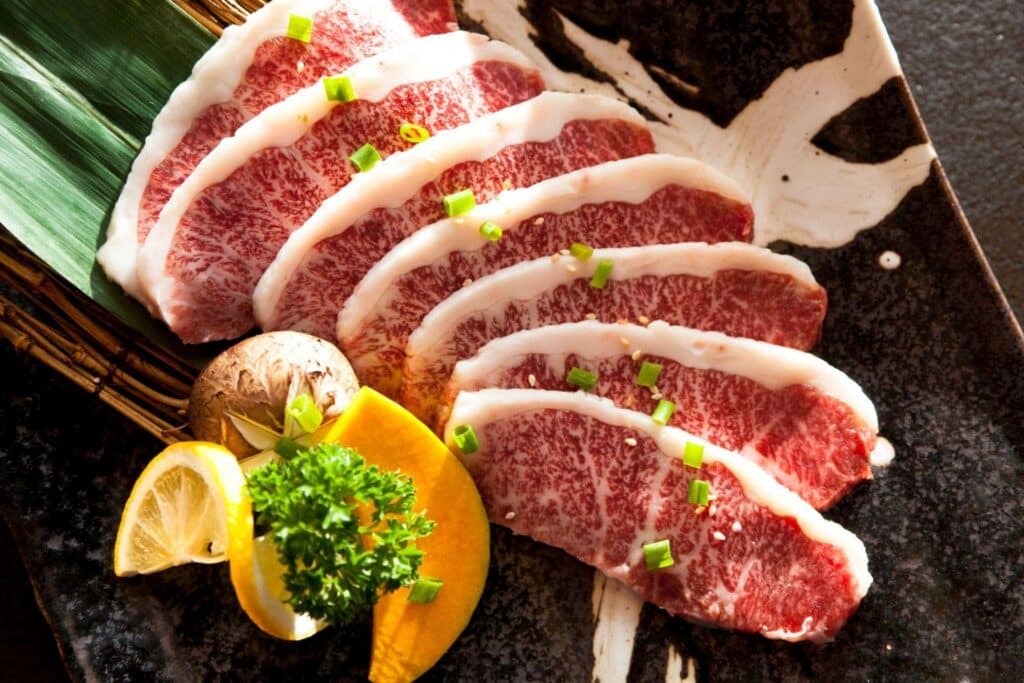
Today’s best steakhouses combine the spirit of the old chophouse with techniques and ingredients that earlier generations could hardly have imagined. Now, it can even be considered an artform.
Dry-aging has become a major part of the conversation. Chefs carefully age beef to concentrate its flavor and develop a deeper, more complex character. Wagyu and other premium beef programs have also introduced diners to different levels of marbling, texture, and richness.
Modern chef-driven menus also give just as much thought to sauces, sides, vegetables, seafood, appetizers, desserts, and cocktails. Restaurants experiment with cooking methods while still respecting the fundamentals, including excellent beef, high heat, proper seasoning, and precise timing.
The Next Chapter in Loveland
That evolution continues at Driven Steakhouse in Loveland, Colorado.
Driven carries forward the parts of steakhouse culture that have lasted for generations (quality food, a welcoming atmosphere, and the pleasure of sharing a great meal) while embracing the more personal, contemporary approach that defines modern steakhouse dining.
We focus on Australian and American wagyu steaks, with a curated selection of entrees from our in-house Executive Chef Thomas Newsted, bringing nearly a quarter of a century of experience to deliver the perfect meal. Feel free to check out our chef-inspired menu, or simply make a reservation for an unforgettable evening!
Ready to experience the next chapter? Contact Driven Steakhouse in Loveland and make your next dinner part of the tradition.